

How to Maintain Your Surgical Results Long-Term

< Blog < How to Maintain Your Surgical Results Long-Term
At Adnova Clinic in Fareham, near Southampton, we see patients every week who are thrilled with their fresh results after procedures such as breast augmentation, rhinoplasty, abdominoplasty or liposuction. The transformation can feel life-changing, and it can be. However, here’s the truth that every experienced plastic surgeon will tell you: the operation is only the beginning. Long-term success depends on what you do in the months and years that follow.
Cosmetic surgery does not stop the natural processes of ageing, gravity or lifestyle. However, with the right habits and ongoing care, you can protect and even enhance your results for a decade or more. Follow these evidence-based strategies and your investment in yourself will keep paying dividends.
1. Master the Immediate Post-Operative Phase (Weeks 1-12)
The foundation of lasting results is laid in the first three months. Swelling, bruising and scar maturation all occur during this window, and how you manage them directly influences the outcome.
- Strictly follow the personalised aftercare plan provided by your Adnova surgeon. This includes wearing compression garments, surgical bras or facial supports exactly as instructed.
- Attend every follow-up appointment. At Adnova Clinic we schedule reviews at 1 week, and 3 months as standard, with additional checks available whenever needed.
- Protect incisions from tension and infection. Avoid heavy lifting and strenuous exercise.
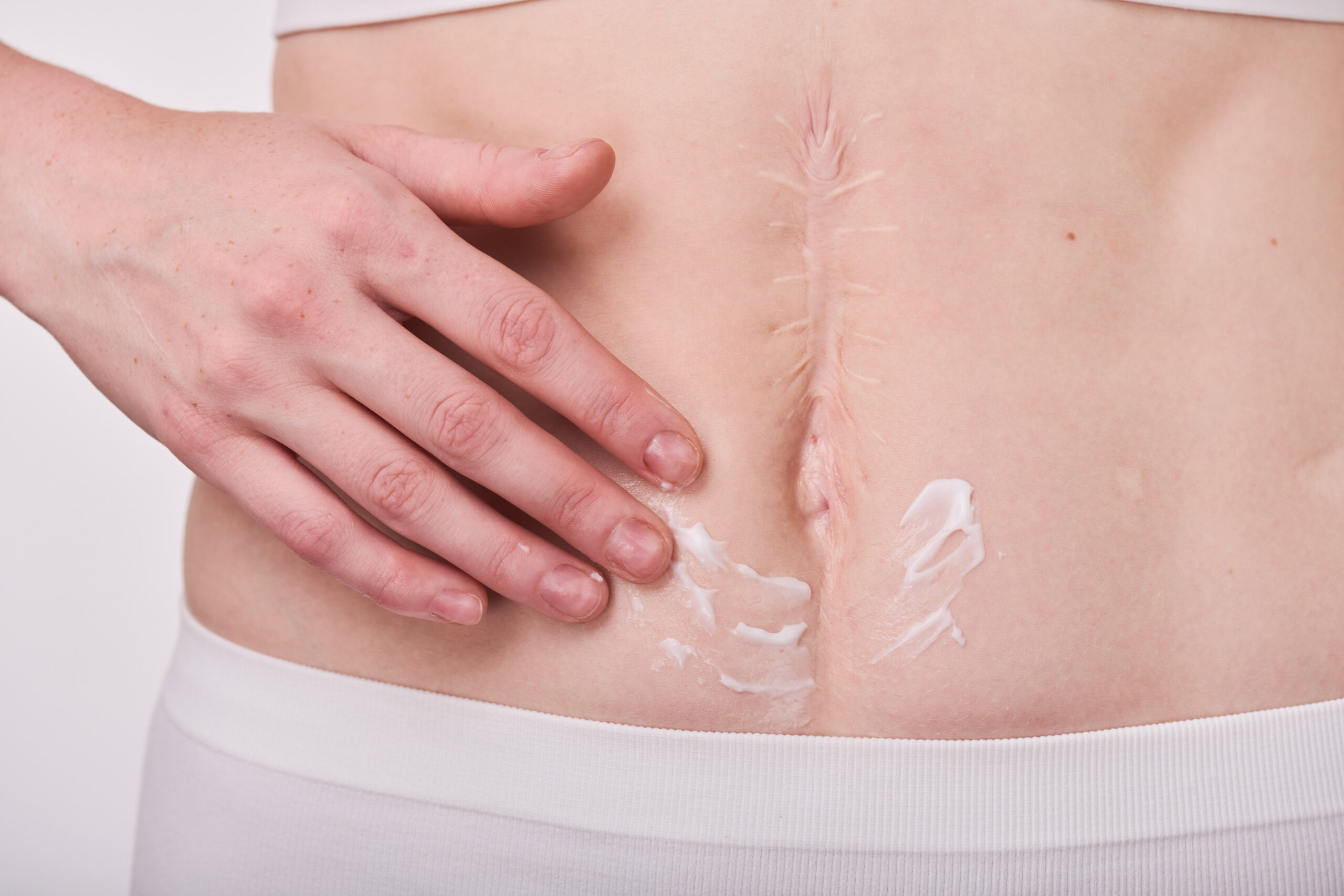
- Manage scars proactively. Once approved (usually after 2-3 weeks), begin gentle massage and possibly silicone gel or sheets. Our team often recommends medical-grade silicone products that have been shown in clinical studies to improve scar appearance by up to 86%.
Note: Patients who treat the first 12 weeks as seriously as the surgery itself almost always achieve smoother, more refined results that stand the test of time.
2. Maintaina Stable, Healthy Weight
This is the single most important lifestyle factor for body-contouring procedures.
Liposuction permanently removes fat cells, but the remaining cells can still expand if you gain significant weight. Similarly, a tummy tuck or mummy makeover tightens skin and repairs abdominal muscles, dramatic weight fluctuations can stretch that repaired tissue and undo the contour.
Practical targets:
- Aim to stay within 5-7 % of your post-surgery weight.
- Focus on sustainable habits rather than crash diets: a Mediterranean-style diet rich in protein, vegetables, healthy fats and whole grains supports collagen production and skin elasticity.
- Combine resistance training with cardiovascular exercise once your surgeon clears you (typically 6-8 weeks post-op). Strong core and glute muscles help maintain the sculpted waist and lifted buttocks many patients achieve with liposuction or abdominoplasty.
We frequently remind breast-augmentation and breast-reduction patients that a stable weight also preserves breast shape and implant position far better than yo-yo dieting.
3. Build a Science-Backed Skincare and Sun-Protection Routine
Facial procedures: facelift, neck lift, blepharoplasty, rhinoplasty, benefit enormously from consistent skin maintenance.
Daily essentials are:
- Broad-spectrum SPF 50+ every morning, reapplied every two hours outdoors. UV exposure is responsible for up to 80% of visible facial ageing and can cause hyperpigmentation along incision lines.
- Gentle cleansing twice daily with a pH-balanced cleanser.
- Medical-grade retinoid (vitamin A) or bakuchiol at night to stimulate collagen and speed cell turnover, introduced gradually after your surgeon gives the green light.
- Antioxidant serums (vitamin C, E, ferulic acid) in the morning to fight free-radical damage.
- Hyaluronic-acid moisturiser to maintain skin hydration and plumpness.
Many of our facelift patients at Adnova combine their surgical results with periodic non-surgical treatments in our aesthetic suite, medical-grade facials, skin needling or light chemical peels, to keep skin glowing and delay the return of laxity.

4. Eliminate or Strictly Limit Harmful Habits
Smoking is the biggest enemy of surgical results. Nicotine constricts blood vessels, reduces oxygen delivery to healing tissues and breaks down collagen. Even occasional smoking in the years after surgery accelerates facial sagging and can compromise breast-lift or tummy-tuck outcomes.
Alcohol in excess promotes inflammation and dehydration, which dulls skin and slows collagen repair. Limit to 7–10 units per week and stay well hydrated (2.5-3 litres of water daily).
Prioritise sleep. Growth hormone peaks during deep sleep and supports tissue repair. Aim for 7–9 hours in a dark, cool room.
5. Procedure-Specific Long-Term Maintenance Tips
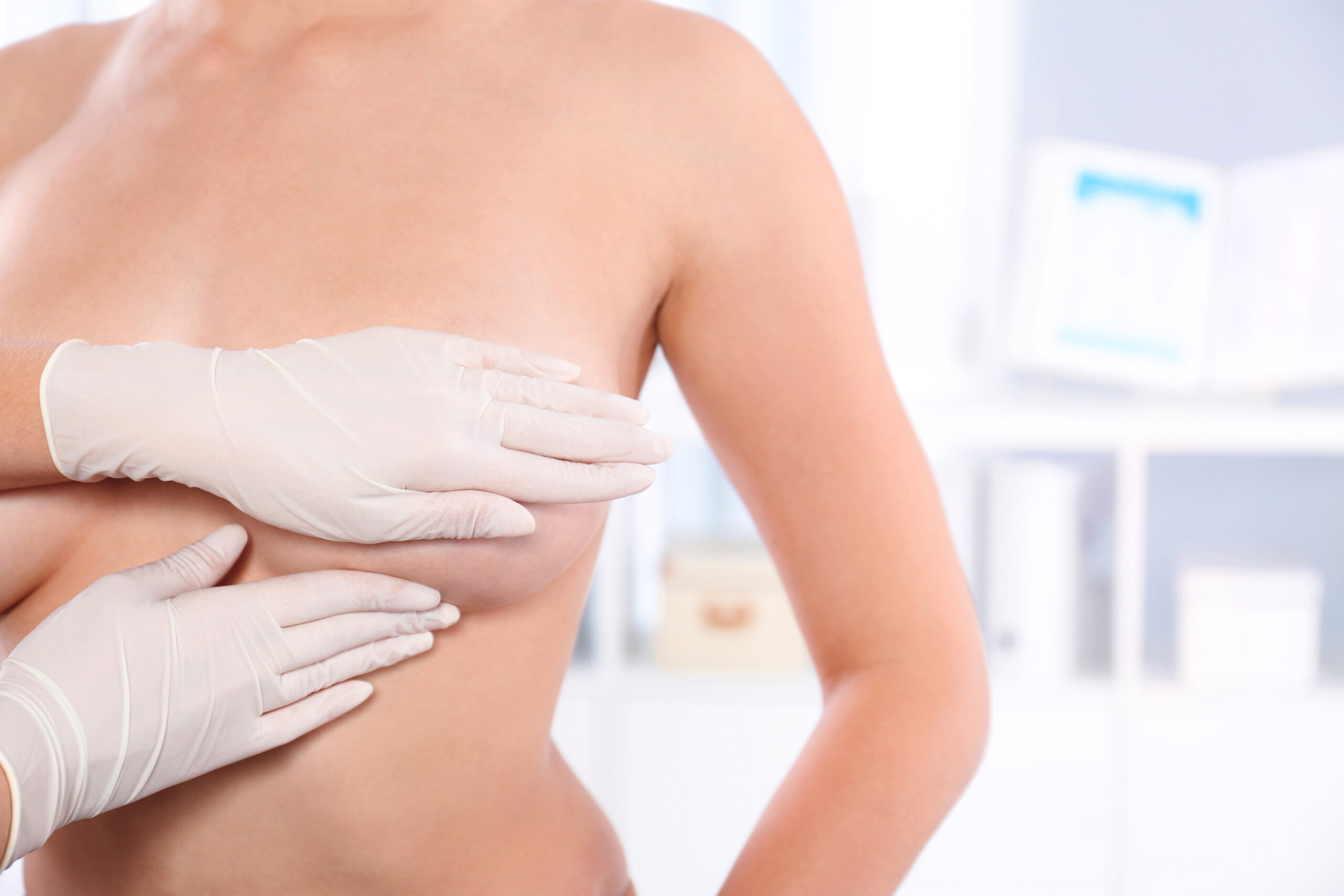
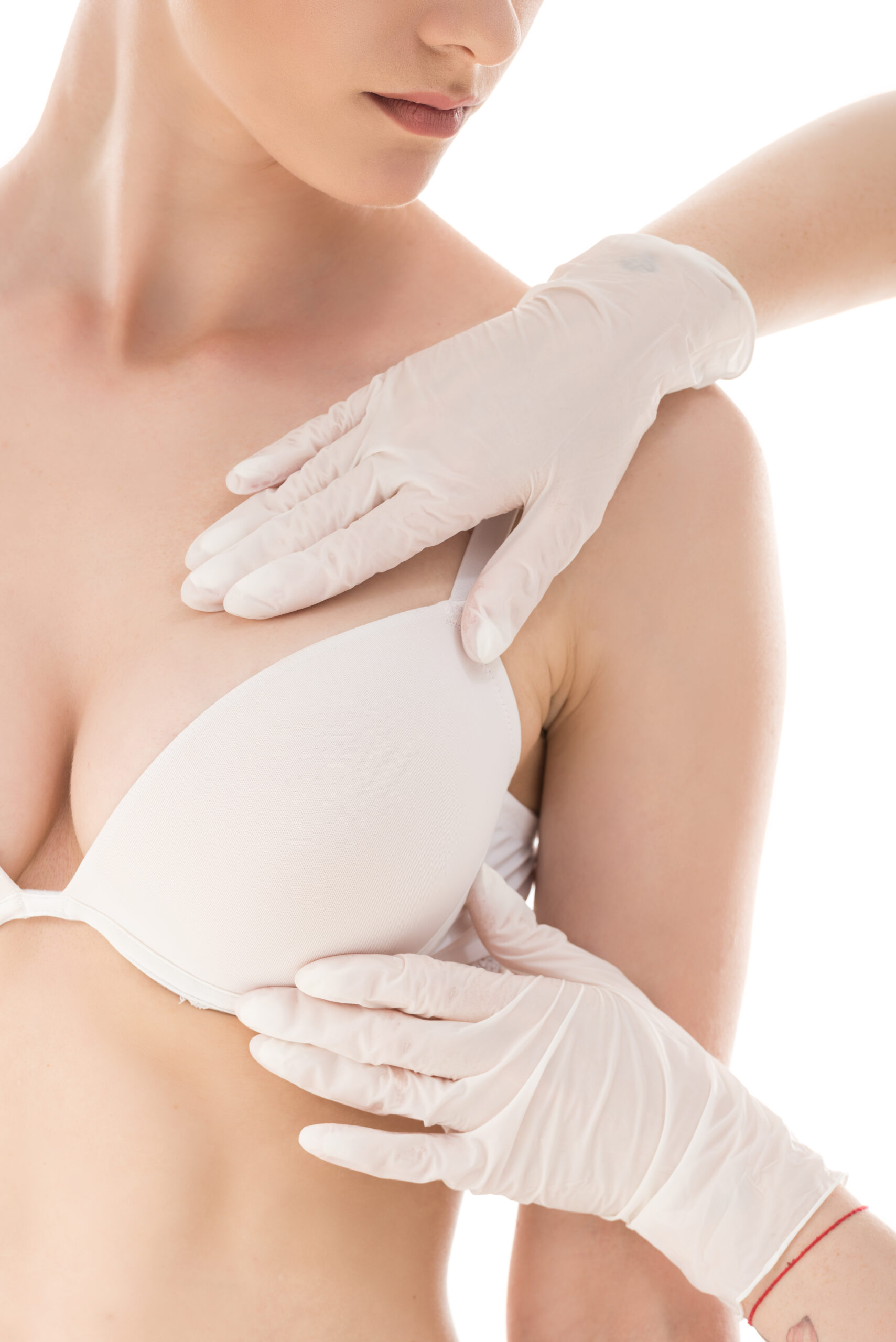
Breast Surgery (Augmentation, Uplift, Reduction)
- Wear a well-fitted supportive bra during exercise and at night for the first 3–6 months, then choose supportive styles daily.
- Annual clinical breast examination plus imaging as recommended by your surgeon.
- If you have implants, follow your surgeon’s guidelines on monitoring (many patients choose a 10-year review scan at Adnova).
Facial Procedures (Facelift, Neck Lift, Blepharoplasty, Rhinoplasty)
- Protect the delicate peri-orbital skin with sunglasses and hats.
- Consider neuromodulators (Botox-type treatments) every 3–4 months to prevent dynamic lines from etching into the newly smoothed skin.
- Dermal fillers can restore subtle volume loss as the years pass, maintaining the lifted, harmonious appearance achieved surgically.
Body Contouring (Liposuction, Abdominoplasty, Mummy Makeover)
- Core-strengthening Pilates or physiotherapy-guided exercises help maintain the repaired rectus diastasis that many mummy-makeover patients have corrected.
- Lymphatic drainage massage in the first 6–12 weeks, then as maintenance 2–3 times per year, reduces swelling and improves skin retraction.
Rhinoplasty
- Avoid glasses resting heavily on the bridge for the first 6–12 months; use contact lenses or lightweight frames.
- Annual reviews allow early detection of any minor shifts in cartilage support.

6. Embrace Complementary Treatments and Regular Reviews
Surgery resets the clock; maintenance treatments keep it ticking slowly. At Adnova Clinic’s aesthetic suite we offer a full range of non-surgical options tailored to surgical patients:
- Profhilo or polynucleotides for skin quality
- Microneedling for tightening
- Medical-grade skincare lines
We recommend an annual “results review” appointment even if everything feels perfect. Early detection of minor changes allows simple, non-invasive adjustments that prevent the need for more extensive revision years later.
7. Mindset Matters
View your surgical results as a partnership between our surgical skill and your daily choices. Patients who see maintenance as self-care rather than a chore report higher satisfaction and longer-lasting outcomes.
Many of our patients at Adnova tell us the discipline they developed post-surgery spilled over into other areas of life; better nutrition, consistent exercise, improved confidence, creating a positive feedback loop.
Investing in these surgeries at Adnova Clinic is an investment in the best version of yourself. By following the strategies outlined above; stable weight, rigorous sun protection, evidence-based skincare, healthy habits and regular professional reviews, you can realistically expect to enjoy your enhanced appearance for 10-15 years or longer, depending on the procedure and your age at the time of surgery.
Contact Adnova Clinic for personalised advice on maintaining your results or to discuss future procedures.
Disclaimer: The prices listed in this article are for general guidance only and may be subject to change. For the most up-to-date and accurate pricing, please visit our face pricelist, body pricelist and breast pricelist.