


Mini Facelift vs Traditional Facelift: Which Is Right for You in 2025?

< Blog < Mini Facelift vs Traditional Facelift: Which Is Right for You in 2025?
As we move through 2025, aesthetic surgery continues to evolve rapidly — both in technique and patient demand. One of the most common choices in facial rejuvenation is deciding between a mini facelift and a traditional (full) facelift. Each has its place, advantages and limitations. This guide explores in detail what the two procedures involve, who they’re most suitable for in 2025, how to choose between them, and what to expect in terms of recovery, longevity and outcome.

Understanding the two options
What is a traditional facelift?
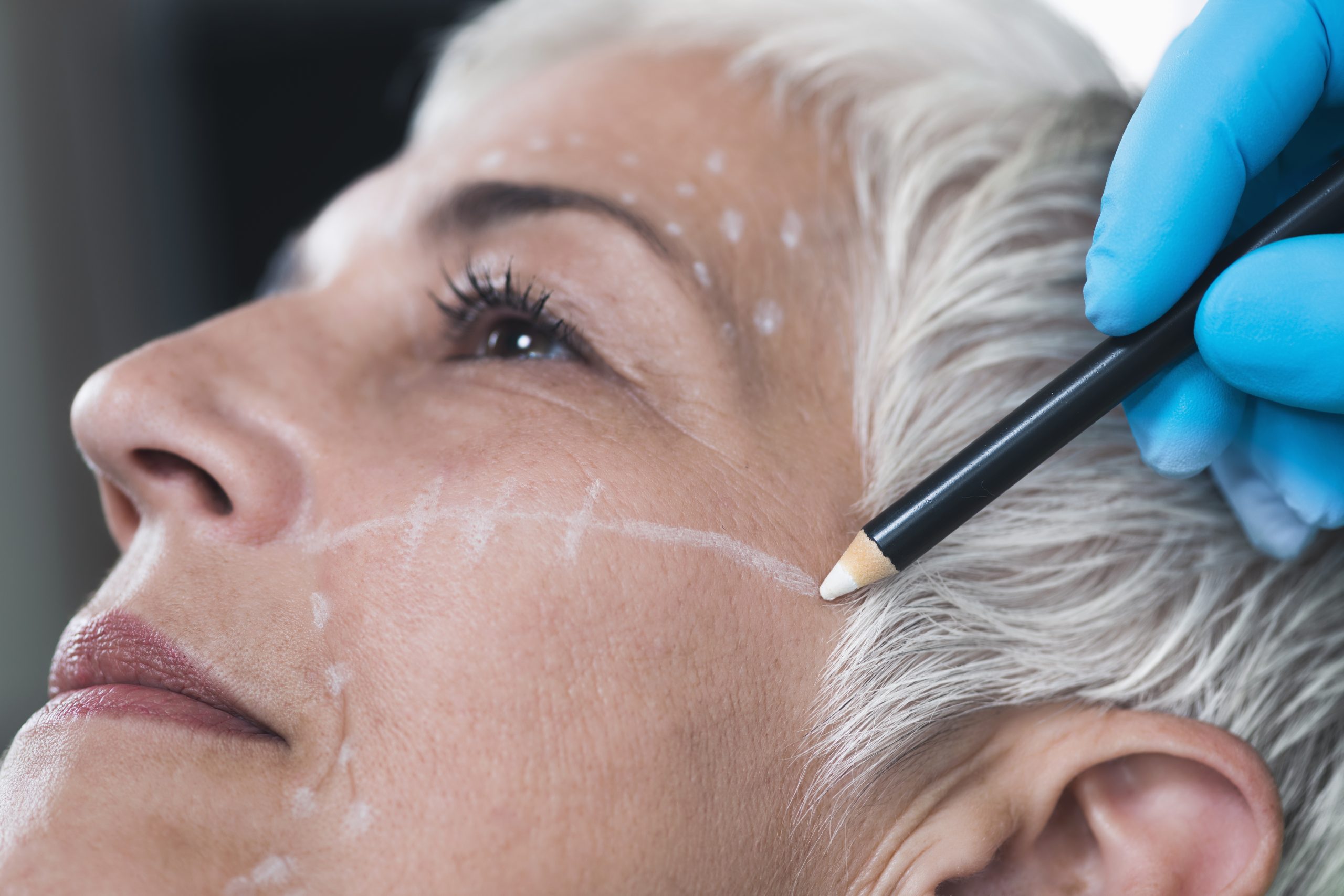
A traditional facelift, sometimes referred to as a full‐facelift or rhytidectomy, addresses significant signs of facial ageing — sagging jowls, loose neck skin, deep wrinkles, laxity of facial tissues. It typically involves longer incisions (often starting in the hairline near the temples, extending around the ear, sometimes under the chin), repositioning of underlying facial tissues (especially the SMAS layer), neck‐contouring, and skin excision.
This procedure is most suitable if you have moderate to advanced facial ageing and want a more dramatic, longer-lasting result.
What is a mini facelift?
A mini facelift (also called short‐scar facelift or “weekend facelift” in some circles) is a less invasive variant. It uses smaller incisions (typically around the ear, limited extension into the hairline), focuses mainly on the lower face (jawline and jowls) with less work on the neck or mid‐face. The underlying tissue repositioning is less extensive (less SMAS dissection) and overall recovery is shorter.
This option is better suited for younger patients, or those with early signs of facial sagging, who want a natural refresh rather than a full correction.
Key differences (2025 edition)
Here are the principal differences between mini vs traditional facelifts, summarised:
| Feature | Mini Facelift | Traditional Facelift |
| Target area | Lower face (jawline, jowls) and maybe upper neck | Lower face + jawline + mid-face + neck contouring |
| Extent of surgery | Limited tissue dissection, smaller incisions | Extensive dissection of skin and underlying tissues, longer incisions |
| Recovery / downtime | Shorter recovery (often 7-14 days) | Longer downtime (2-3+ weeks, sometimes more) |
| Longevity of results | More subtle result; somewhat shorter lasting (5-10 years approx) | More dramatic, longer-lasting results (often 10+ years) |
| Ideal candidate | Younger patient, mild to moderate ageing signs, good skin tone | Older patient or patient with significant sagging, neck laxity, jowls |
| Cost and invasiveness | Typically lower cost, less invasive | Higher cost, more invasive |
In 2025, these differences still hold true — but there are a few trends worth noting:
- Surgeons are better able to customise “hybrid” procedures (e.g., a mini facelift plus targeted neck lift) which blurs the boundaries.
- Younger patients in their 40s are increasingly seeking “preventative” facelifts.
- Technological adjuncts (laser resurfacing, fat grafting, internal suspension sutures) are increasingly incorporated, so the line between “mini” and “full” is more nuanced.
Which is right for you in 2025?
The right choice depends on your anatomy, skin condition, age, goals, lifestyle, and your willingness for downtime and long-term maintenance. Here are questions to ask yourself and topics to discuss with your surgeon.
1. What is your skin laxity and ageing stage?
If you are seeing early sagging mainly along the jawline or beginning jowls, your neck is still fairly tight and your skin elasticity is good — a mini facelift may suffice.
If you have visible neck bands, loose neck skin, heavy jowls, deep mid-face sagging, then a traditional facelift is more appropriate.
2. What are your aesthetic goals?
- If you want a subtle refresh, shorter downtime and minimal disruption — a mini facelift is attractive.
- If you are looking for a transformational change — improved neck contour, strong jawline definition, rejuvenated lower and mid-face — then a traditional facelift is likely better.
3. How much downtime and recovery can you allow?
- Mini facelift: around 1–2 weeks significant downtime; may be back to many activities in this time.
- Traditional facelift: expect 2–3 weeks or more of recovery; may require 1 month off full social or work commitments.
4, What longevity do you expect?
- Results inevitably vary based on skin quality, genetics, lifestyle, sun exposure and weight changes — but broadly:
- Mini facelift: shorter longevity; areas untreated will continue to age.
- Traditional facelift: longer lasting, broader correction; you “buy more years back”.
5. Are you comfortable with invasiveness and potential risks?
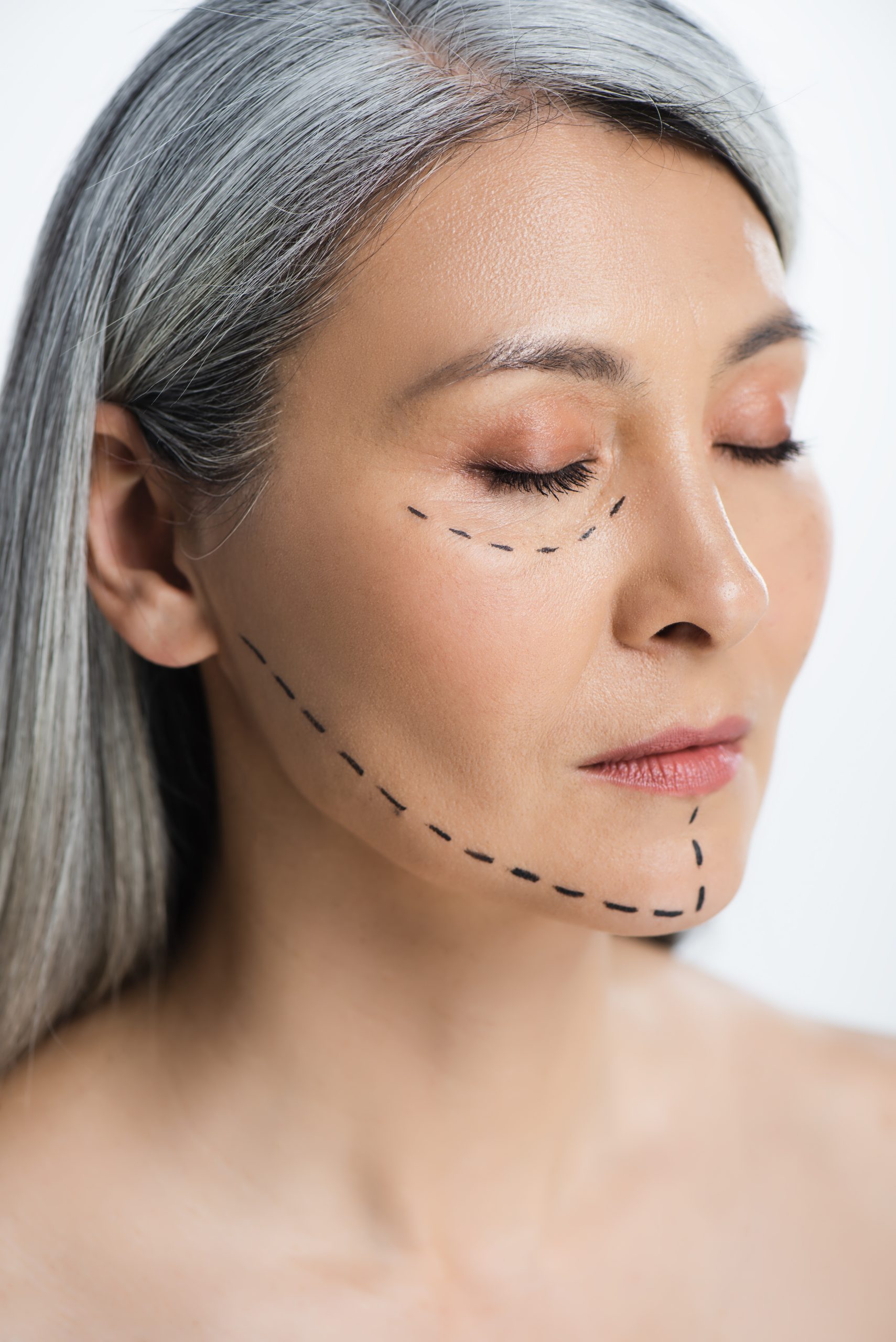
More invasive = larger incisions, more tissue dissection, higher risk (though still very safe in qualified hands). You must weigh the benefit vs risk and recovery
Even with a mini facelift, you are undergoing surgery — there are still risks of bleeding, infection, nerve effects, scarring.
6. Financial and lifestyle considerations
Traditional facelifts cost more (surgeon + hospital + longer anaesthesia). If you have work or social commitments, the shorter recovery of a mini facelift might be more realistic.

New considerations in 2025
- Younger patients, earlier intervention: It is increasingly common for patients in their 40s to seek surgical intervention before dramatic ageing sets in. Early intervention may mean better skin quality and less invasive procedures.
- Maintenance and non-surgical adjuncts: Regardless of whether you choose mini or full, a strong skin maintenance program (sun protection, skincare, injectable support) will prolong results.
- Hybrid approaches: Because of refinements in technique, some surgeons offer “mini plus neck” or “targeted SMAS lift” variations that combine aspects of both.
- Expectation management: Modern patients are more aware that no surgery lasts forever, and natural ageing continues; hence results must look natural, not overly “tight”.

Making the decision: What you should bring to your consultation
When you meet your surgeon, be prepared to:
- Show your full facial anatomy (front, side, neck) and discuss what bothers you most.
- Ask the surgeon to assess your skin quality, the degree of laxity, neck banding, jowls, and whether volume loss is a major issue (which might need fat grafting or fillers in combination).
- Ask which layers of tissue will be addressed — e.g., skin only, SMAS, neck platysma.
- Ask about incision placement, expected scars, anaesthesia type, hospital stay.
- Request information on downtime, when you can return to work, exercise, social life.
- Discuss expected longevity of results and what maintenance might be needed.
- Ensure you understand the cost breakdown, all associated fees, and the surgeon’s revision policy.
- Ask for before/after photos of patients with a similar ageing stage to yours.
- Confirm accreditation: In the UK, the surgeon should be on the GMC specialist register for plastic surgery, or maxillofacial surgery and ideally a member of the British Association of Aesthetic Plastic Surgeons (BAAPS) or British Association of Plastic, Reconstructive and Aesthetic Surgeons (BAPRAS).
- Discuss your lifestyle (smoking, sun exposure, weight stability) — these affect results significantly.

Final thoughts
Choosing between a mini facelift and a traditional facelift is not simply about picking “less surgery” vs “more surgery”. It’s about matching your anatomical needs, ageing stage, goals, downtime tolerance, and realistic expectations.
If you are relatively younger (40s), have good skin tone, mild sagging, and want to refresh your appearance with minimal downtime — a mini facelift may be appropriate.
If you have more advanced ageing signs — loose neck skin, heavy jowls, mid-face descent — and are willing to commit to a more thorough procedure and recovery, then a traditional facelift may give you more transformative and longer-lasting results.
Ultimately, the most important factor is choosing a skilled surgeon who tailors the procedure to you rather than applying a one-size-fits-all solution. In 2025, as more nuanced and hybrid options emerge, your consultation will guide the best path.
Disclaimer: The prices listed in this article are for general guidance only and may be subject to change. For the most up-to-date and accurate pricing, please visit our face pricelist, body pricelist and breast pricelist.