Reducing Excess Male Chest Tissue for a Flatter, More Masculine Chest

< Blog < Reducing Excess Male Chest Tissue for a Flatter, More Masculine Chest
Feeling comfortable and confident in your own body can have a significant impact on everyday life. However, for some men, excess tissue around the chest can become a source of self-consciousness, affecting clothing choices, social situations and confidence when exercising or swimming.
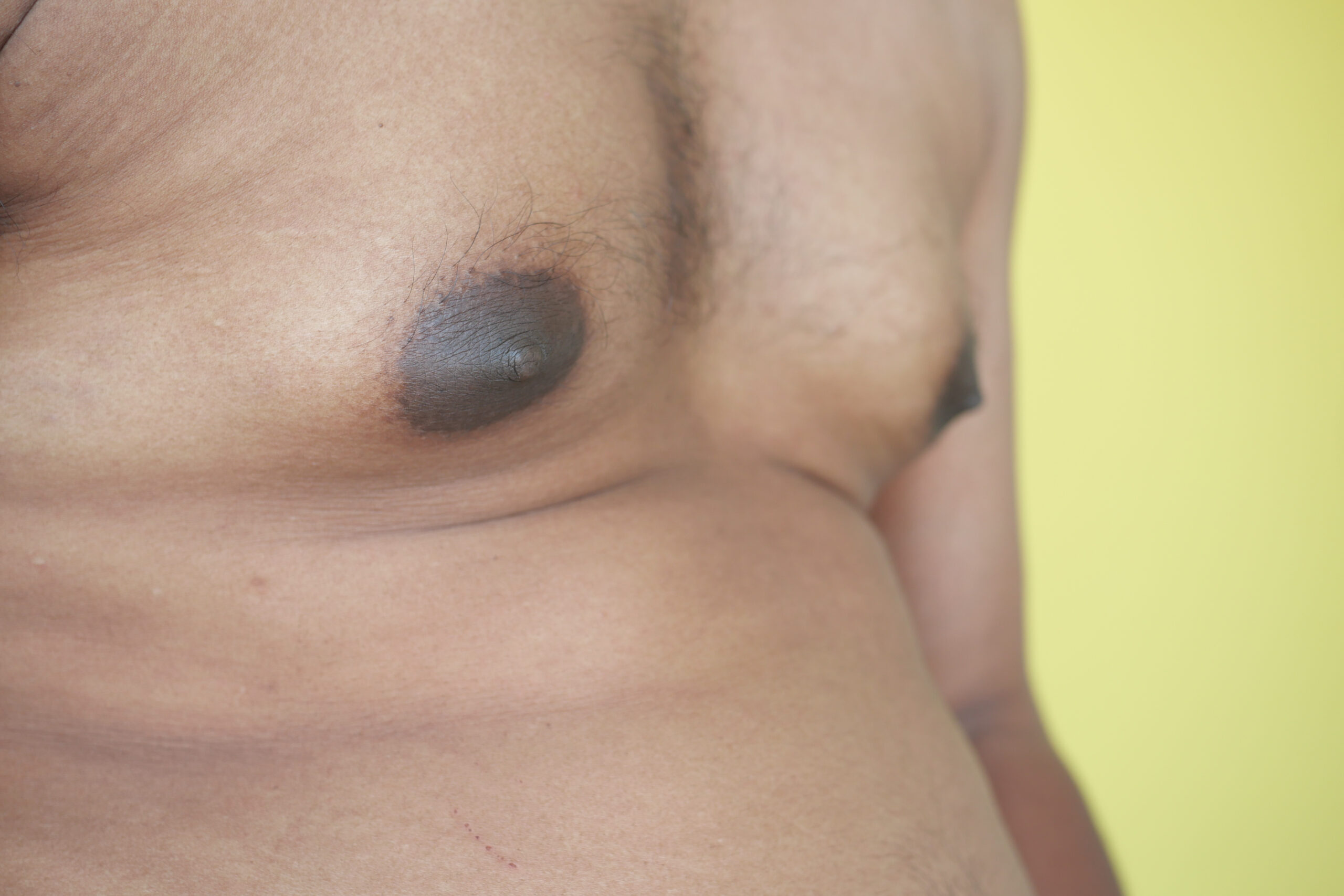
This condition, known as gynaecomastia, involves the development of enlarged breast tissue in men. It is relatively common and can affect men at different stages of life, regardless of their overall fitness or body weight.
Although changes to diet and exercise can improve general body composition, they do not always address enlarged glandular breast tissue. Fortunately, male breast reduction surgery offers a way to reduce excess tissue and create a flatter, more defined chest contour.
At Adnova Clinic, patients can explore personalised gynaecomastia correction treatments designed to achieve natural-looking results while taking individual anatomy and aesthetic goals into consideration.
Understanding Gynaecomastia and Its Causes
Gynaecomastia is the medical term for the enlargement of breast gland tissue in men. It can affect one or both sides of the chest and may develop gradually or become noticeable over a relatively short period.
The condition is often associated with changes in the balance between testosterone and oestrogen. Although both hormones are naturally present in men, changes in their levels or activity can encourage breast gland tissue to develop.
- According to the NHS, several factors can contribute to gynaecomastia, including:
- Hormonal changes: Gynaecomastia can occur during puberty and later in life as hormone levels change.
- Weight fluctuations: Increased body fat can contribute to a fuller chest appearance.
- Medication: Certain prescription medicines can influence hormone levels or breast tissue development.
- Underlying health conditions: Thyroid problems, kidney disease and liver conditions can sometimes contribute.
- Anabolic steroids: The use of performance-enhancing substances can affect hormonal balance.
It is important to distinguish between excess fatty tissue and actual glandular breast enlargement. While both can contribute to a fuller chest, they may require different treatment approaches.
A medical assessment can help establish the underlying cause and determine whether surgical treatment is appropriate.
How Can Gynaecomastia Affect Confidence?
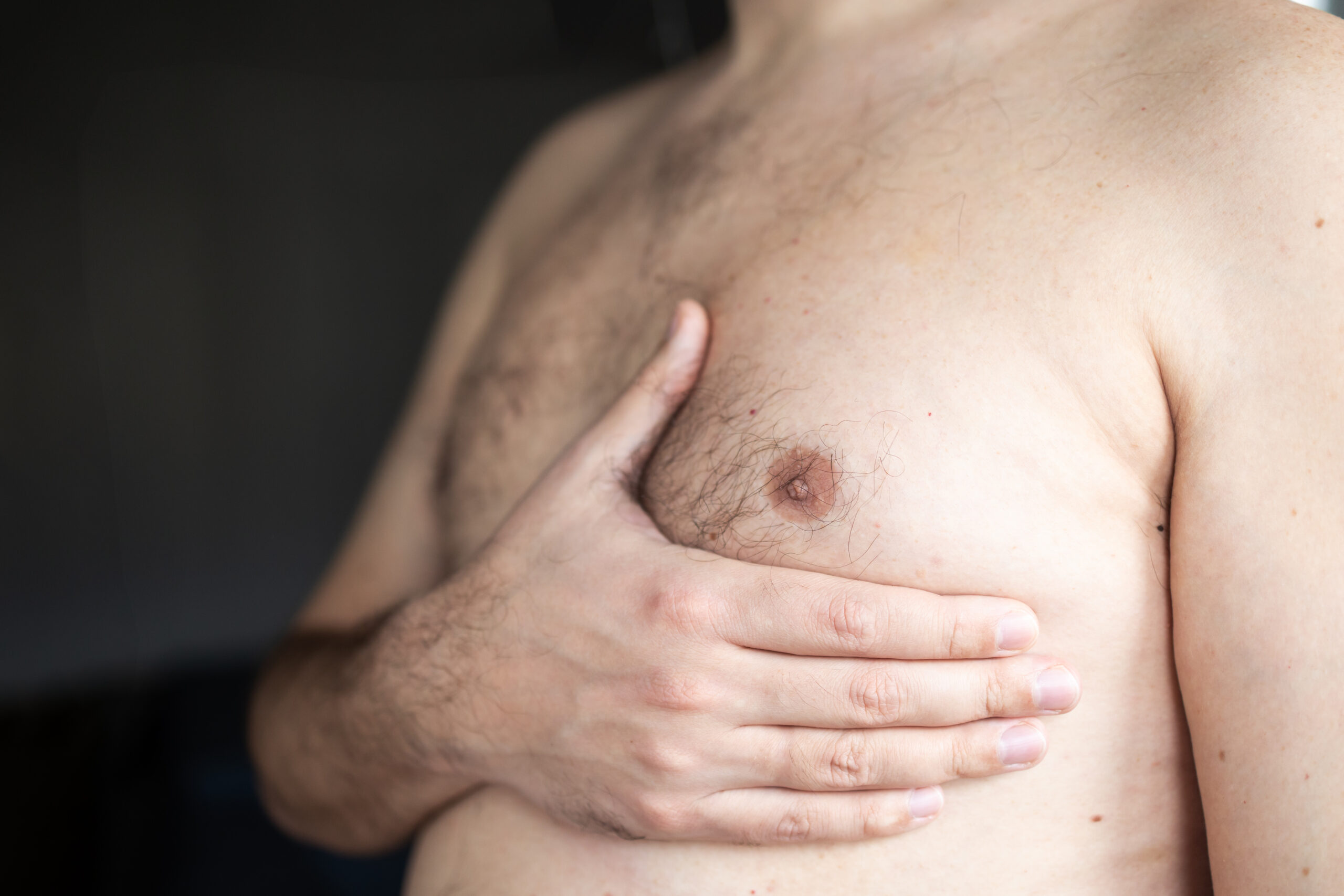
Although gynaecomastia is not usually a serious medical condition, its psychological and emotional effects should not be underestimated.
Men experiencing enlarged chest tissue may feel uncomfortable wearing fitted clothing, taking their shirts off in public or participating in activities such as swimming and sports.
Some may also find themselves avoiding social situations or choosing clothing specifically to conceal their chest shape.
These concerns can affect confidence regardless of age, fitness level or body weight. It is important to recognise that gynaecomastia is a common condition and that seeking advice or treatment is nothing to feel embarrassed about.
What Is Gynaecomastia Surgery?
Gynaecomastia surgery, also referred to as male breast reduction or male chest reduction, is a procedure designed to remove excess breast tissue (and/fat) and improve the overall appearance of the male chest.
The aim is to create a flatter, firmer and more proportionate chest that complements the patient’s natural body shape.
Depending on the amount and type of tissue present, treatment may involve liposuction, surgical removal of glandular tissue or a combination of both techniques.
For men researching male breast reduction Southampton, understanding these different approaches is an important first step towards making an informed decision.
At Adnova Clinic, gynaecomastia correction is among the specialist cosmetic procedures available to patients. Treatment recommendations are tailored to individual requirements, with the aim of achieving balanced and natural-looking chest contours.
For men who have persistent breast enlargement and feel unhappy with their chest appearance, surgery may offer an opportunity to address the physical concern and improve body confidence.
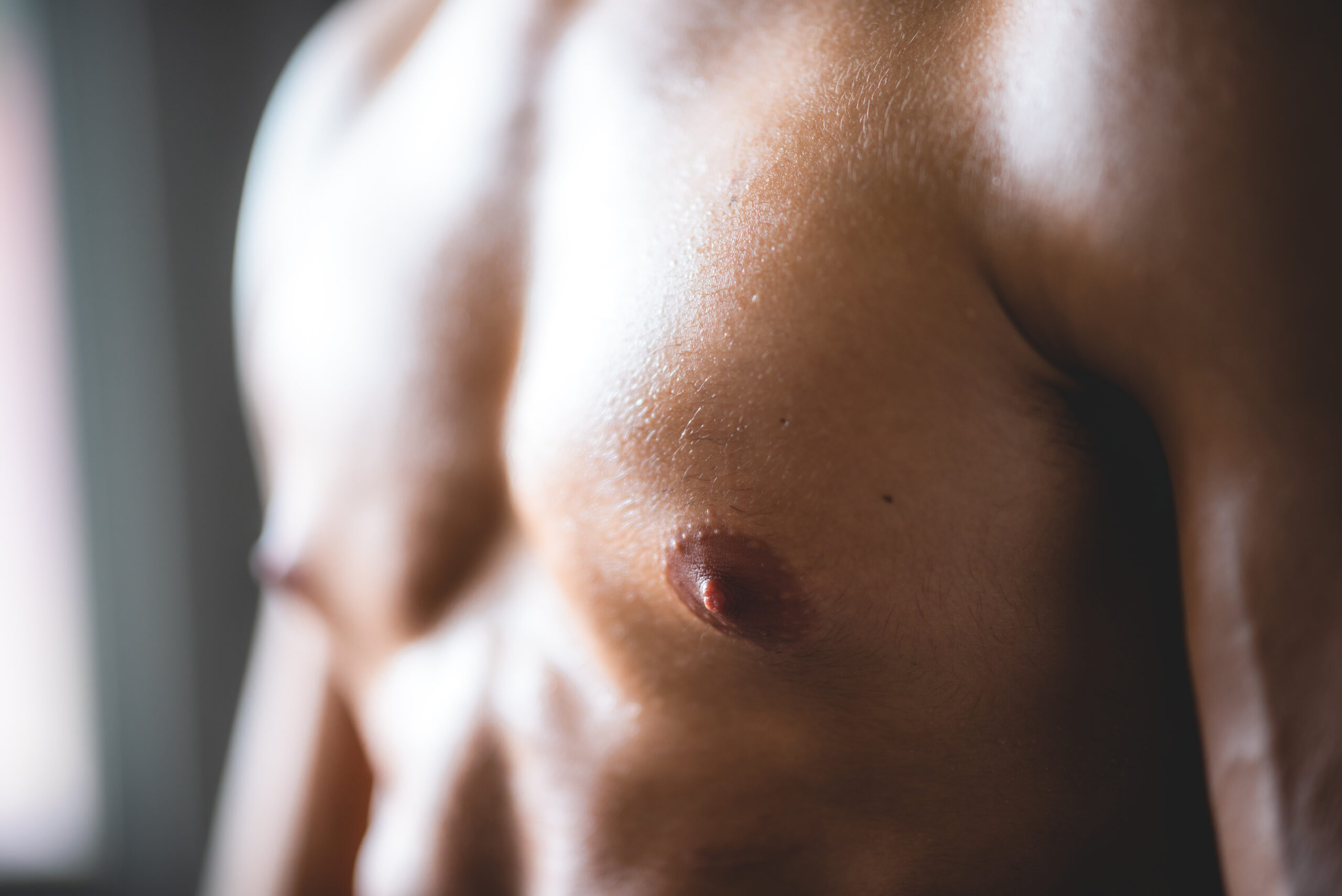
What Happens During Male Breast Reduction Surgery?
The surgical technique used will depend on the underlying cause of chest enlargement, the amount of excess tissue and the patient’s skin quality.
There are two main approaches to treating gynaecomastia.
1. VaserLiposuction
When chest enlargement is primarily caused by excess fatty tissue, liposuction may be suitable.
Small incisions are made in discreet areas of the chest, allowing a thin tube called a cannula to be inserted. The cannula is used to remove unwanted fat and improve the overall chest contour. The technique involves the use of ultrasound energy which breaks down tissue allowing greater benefit to liposuction. The use of Renuvion which is an energy based skin tightening device can further enhance the results.
Liposuction can help create a flatter appearance while keeping incisions relatively small.
2. Glandular tissue removal
When enlarged glandular tissue is responsible for the fullness, liposuction alone may not achieve the desired result.
In these cases, the surgeon may remove the excess glandular tissue through an incision, commonly positioned around the lower edge of the areola.
This allows the surgeon to address firmer tissue that cannot be effectively removed using liposuction alone.
3. Combining both techniques
Some men have a combination of excess fat and glandular tissue. In these circumstances, combining liposuction with surgical tissue removal may provide a more balanced outcome.
Where significant enlargement has caused excess skin, additional skin removal may occasionally be required.
The most appropriate approach is established during consultation following a detailed assessment.
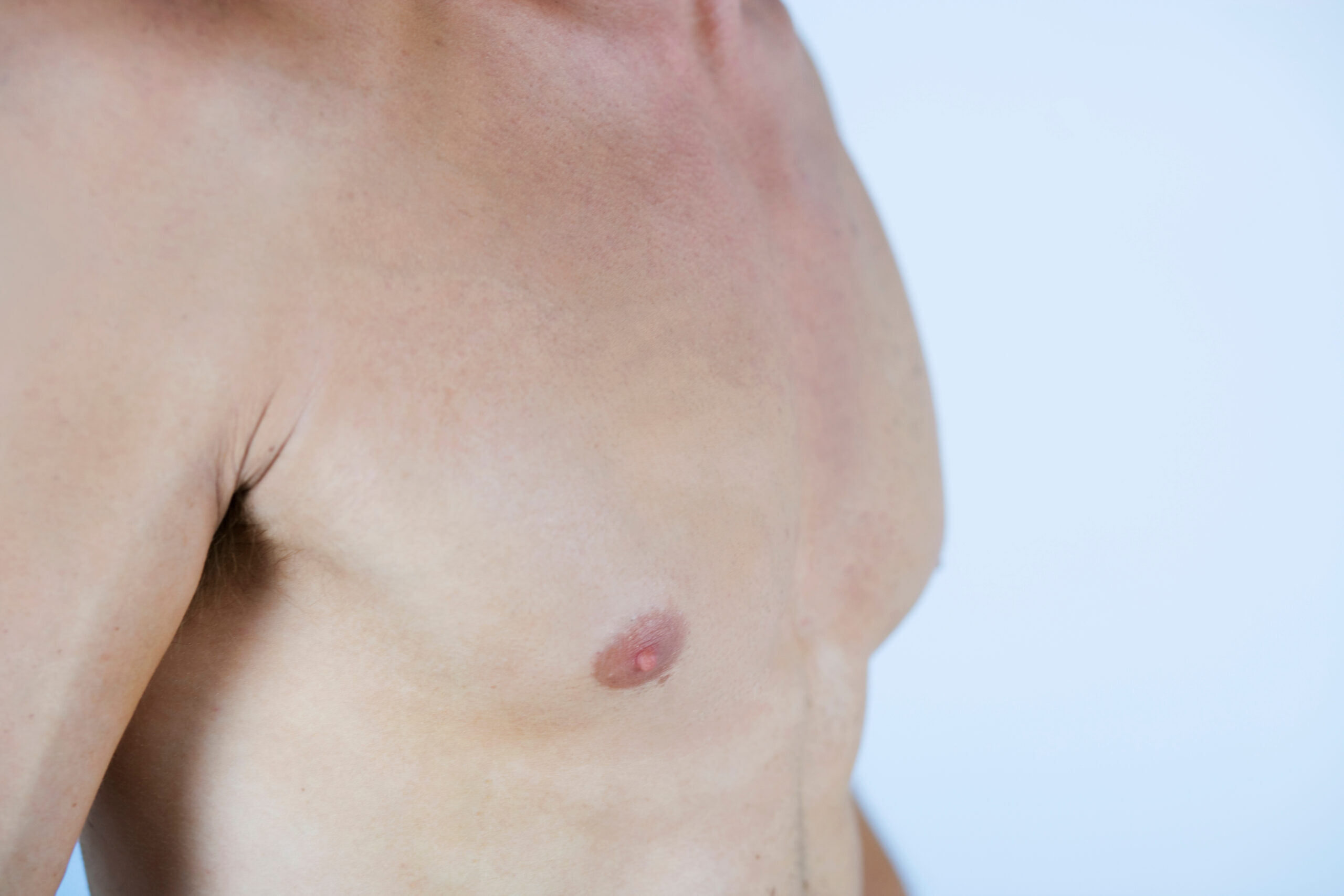
Who Is Suitable for Gynaecomastia Surgery?
Not every man with an enlarged chest will require surgery. In some cases, gynaecomastia improves naturally, particularly when it develops during puberty.
The NHS advises that underlying causes should be considered before surgery, as treating an associated medical condition or reviewing certain medications may help reduce breast enlargement.
Men who may benefit from surgical treatment generally include those who:
- Have persistent enlargement of glandular breast tissue.
- Have a stable body weight.
- Experience self-consciousness because of their chest appearance.
- Have not achieved their desired chest shape through other appropriate treatments.
- Are in good general health and have realistic expectations.
Surgery is not generally intended as a substitute for weight management. If chest enlargement is predominantly caused by excess body fat, improving overall weight and fitness may be recommended before considering an operation.
A consultation with an experienced plastic surgeon is essential to establish suitability and discuss realistic outcomes.
Exploring Male Breast Reduction in Portsmouth and Guildford
Choosing the right clinic and surgeon is an important part of the treatment journey.
Men searching for male breast reduction Portsmouth or researching breast reduction surgery Guildford should consider the surgeon’s specialist qualifications, experience with male chest procedures, patient care and available aftercare arrangements.
Adnova Clinic is based in Fareham, making it accessible to patients travelling from Southampton, Portsmouth, Guildford and other areas across the South Coast and surrounding regions.
The clinic was founded by experienced plastic surgeons Charles Durrant and Simon Heppell, who have more than 40 years of combined experience. Both are members of BAPRAS and BAAPS and are listed on the GMC Specialist Register.
Adnova Clinic offers a patient-focused approach, with consultations designed to understand individual concerns, explain available treatments and help patients make informed decisions.
For those considering gynaecomastia surgery, choosing a specialist who understands the differences between fatty and glandular chest tissue is particularly important. This helps ensure that the recommended technique is appropriate for the patient’s anatomy and desired results.
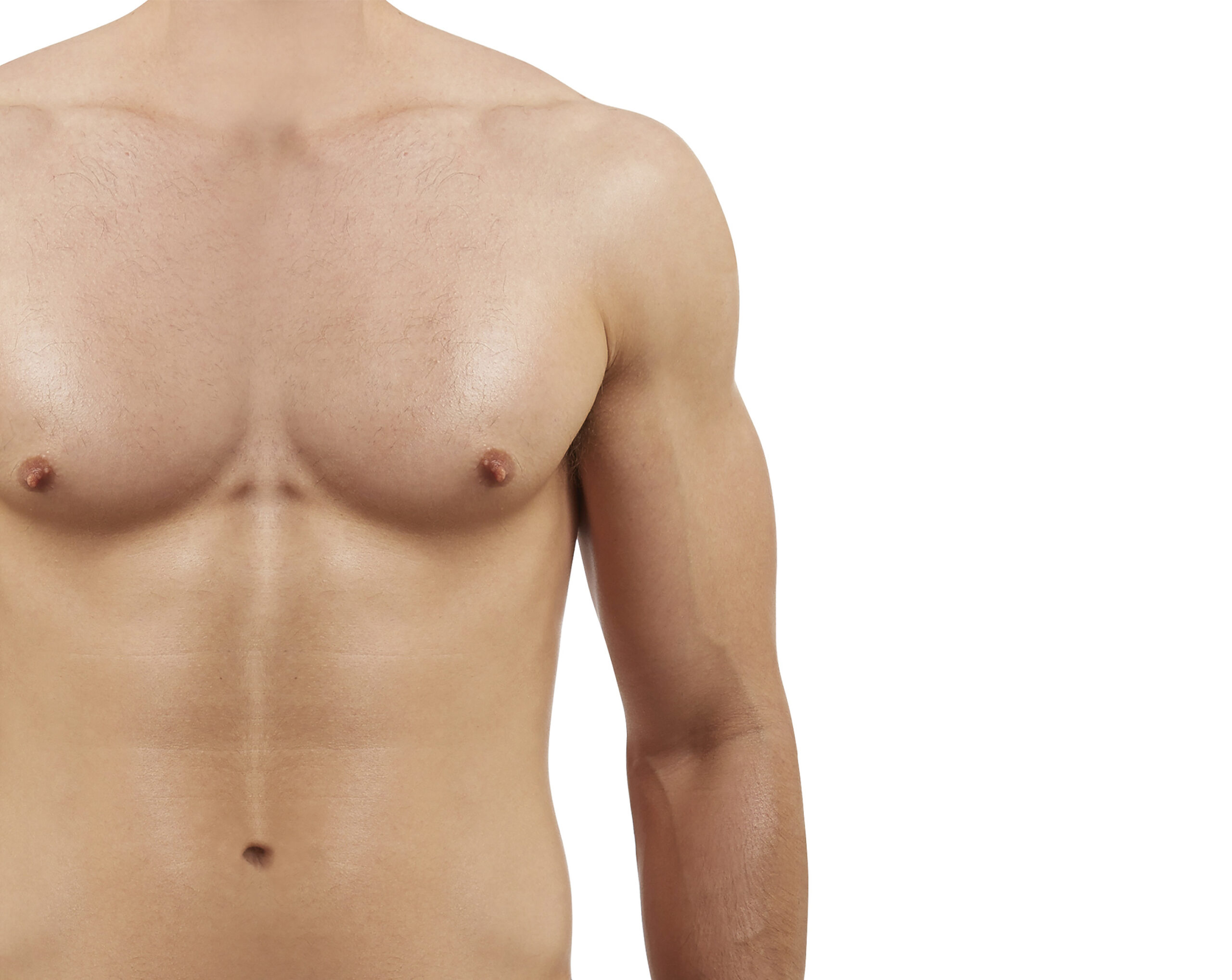
What Is Recovery Like After Gynecomastia Surgery?
Recovery following gynecomastia surgery varies depending on the surgical technique used and the amount of tissue removed.
Some swelling, bruising and tenderness around the chest are expected during the initial healing period. Patients may also experience temporary changes in nipple sensation.
A compression garment is commonly recommended following surgery. This helps support the chest, minimise swelling and encourage the skin to settle into its new contour.
General recovery guidance may include:
- Wearing the recommended compression garment.
- Keeping the surgical area clean and following wound-care instructions.
- Avoiding strenuous exercise and heavy lifting for approximately three weeks, or as advised by your surgeon.
- Taking sufficient time away from work to recover comfortably.
- Attending all scheduled follow-up appointments.
Many patients can gradually return to normal activities over several weeks, although full recovery can take longer.
The NHS advises that it may take up to six months to appreciate the full results of male breast reduction surgery as swelling gradually subsides.
As with any surgical procedure, there are potential risks. These include bleeding, infection, scarring, uneven chest contours, changes in nipple sensation and fluid accumulation. Your surgeon should explain the individual risks and how complications would be managed before you decide to proceed.
Achieving a Natural, Masculine Chest Contour
The goal of male breast reduction is not simply to remove as much tissue as possible. Achieving a balanced chest shape that suits the patient’s overall physique is equally important.
Excessive tissue removal can create an uneven or hollow appearance, while insufficient removal may leave unwanted fullness around the nipples.
A carefully planned procedure considers the patient’s natural chest muscles, skin elasticity, nipple position and overall body proportions.
It is also important to understand that surgery does not prevent future changes in body composition. Significant weight fluctuations and certain hormonal changes can affect the appearance of the chest over time.
Maintaining a stable weight and following appropriate aftercare recommendations can help support long-term results.
At Adnova Clinic, the emphasis is on personalised treatment planning and helping patients achieve improvements that look natural and complement their individual body shape.
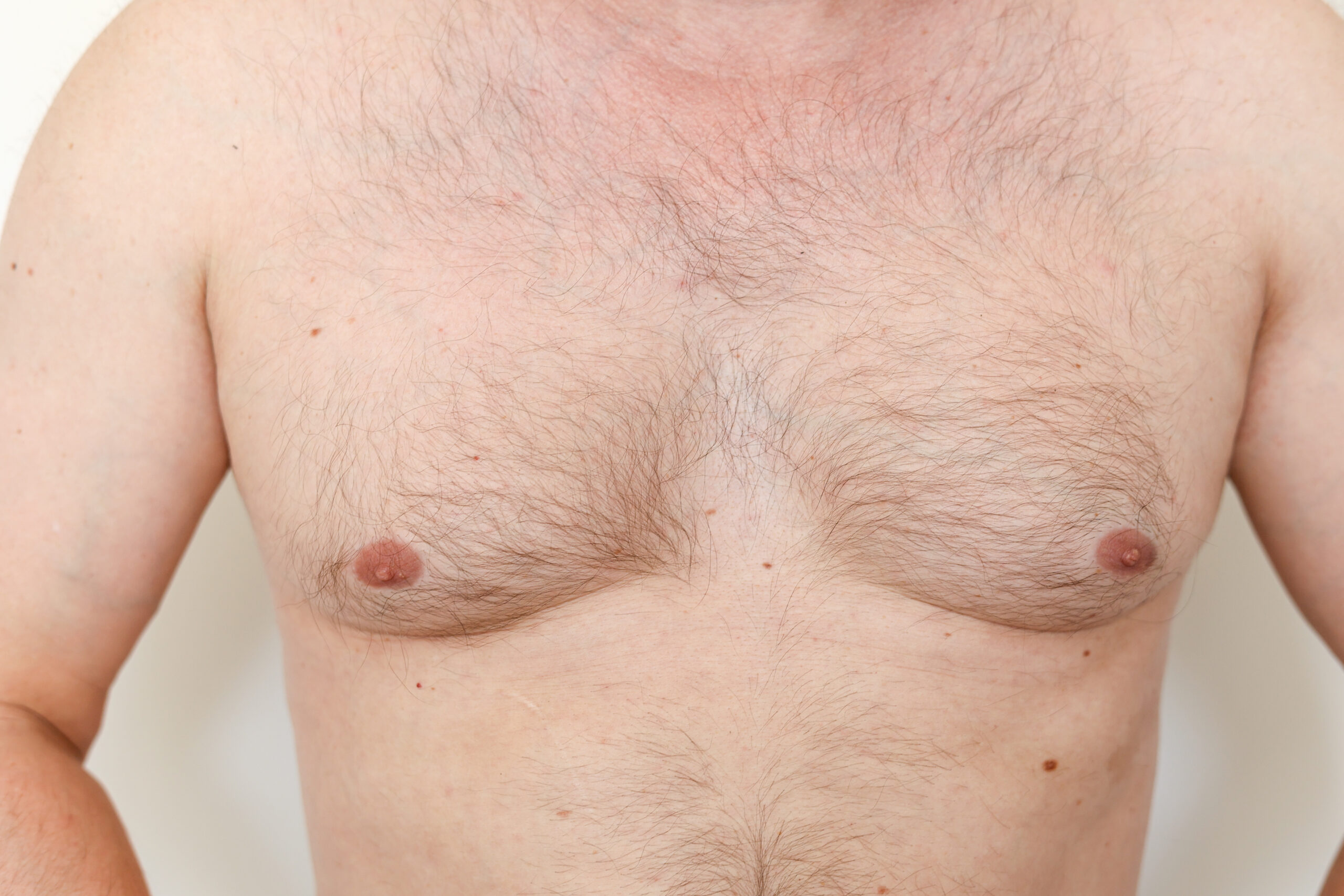
Discover Male Breast Reduction at Adnova Clinic
Living with excess male chest tissue can affect confidence in ways that are not always visible to others. Whether you feel uncomfortable wearing fitted clothing, avoid swimming or simply want a flatter and more defined chest, it is worth understanding the treatment options available.
Gynaecomastia surgery offers a surgical solution for suitable patients, addressing excess fatty and glandular tissue to create a more proportionate chest appearance.
At Adnova Clinic, patients can discuss their concerns with experienced plastic surgeons and explore personalised male chest reduction options in a specialist day surgery setting in Fareham.
Ready to take the next step towards a flatter, more masculine chest?
Contact Adnova Clinic to arrange a consultation and discover how male breast reduction could help you feel more comfortable and confident in your appearance.
Disclaimer: The prices listed in this article are for general guidance only and may be subject to change. For the most up-to-date and accurate pricing, please visit our face pricelist, body pricelist and breast pricelist.